Tips for Hosting a BBQ Using Only Gluten Free BBQ Sauce and Vegan Ingredients
Everything About Healthy Food: Benefits of Embracing Plant Based Options
The discussion bordering plant-based diet plans has acquired considerable attention in recent times. Many people are discovering the prospective health and wellness benefits, dietary advantages, and ecological effects related to these nutritional choices. As people become much more knowledgeable about their food's influence on well-being and sustainability, concerns emerge about the practicalities of taking on such a way of living. What particular modifications can one expect, and just how might these selections reshape not just individual wellness but also the planet's future?
Understanding Plant-Based Diets
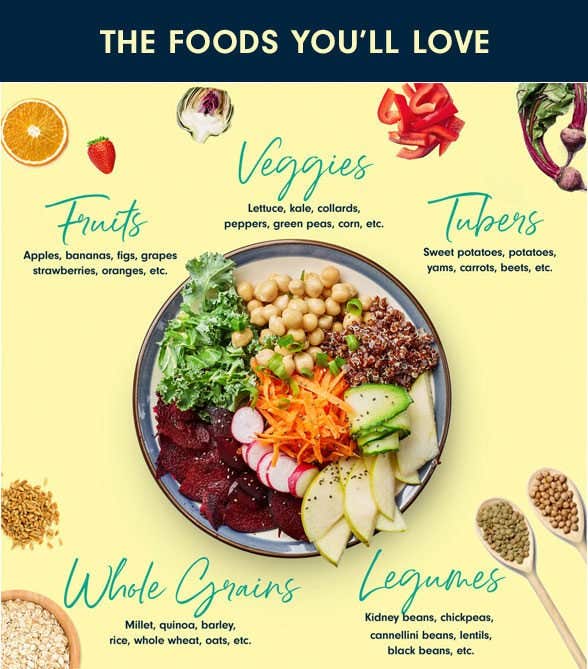
Although many individuals link plant-based diets generally with vegetarianism or veganism, these diets can include a vast array of consuming patterns that prioritize entire, minimally processed plant foods. Such diet regimens typically consist of fruits, veggies, entire grains, legumes, nuts, and seeds, while getting rid of or restricting pet items. This adaptability permits people to tailor their nutritional choices according to nutritional requirements and personal choices. Some may embrace a mainly plant-based diet plan while still sometimes consuming meat or dairy products, commonly referred to as a flexitarian technique. The focus remains on integrating even more plant foods, which can lead to a varied selection of meals and tastes. Understanding these numerous interpretations of plant-based eating is necessary for appreciating its availability and appeal in modern food society.
Wellness Perks of Plant-Based Foods
The wellness benefits of plant-based foods are significant, supplying a nutrient density advantage that supports overall wellness. Research study suggests that these foods can enhance heart health and play a necessary duty in efficient weight administration. By integrating much more plant-based options, individuals may enhance their nutritional options and promote long-lasting health and wellness.
Nutrient Density Benefit
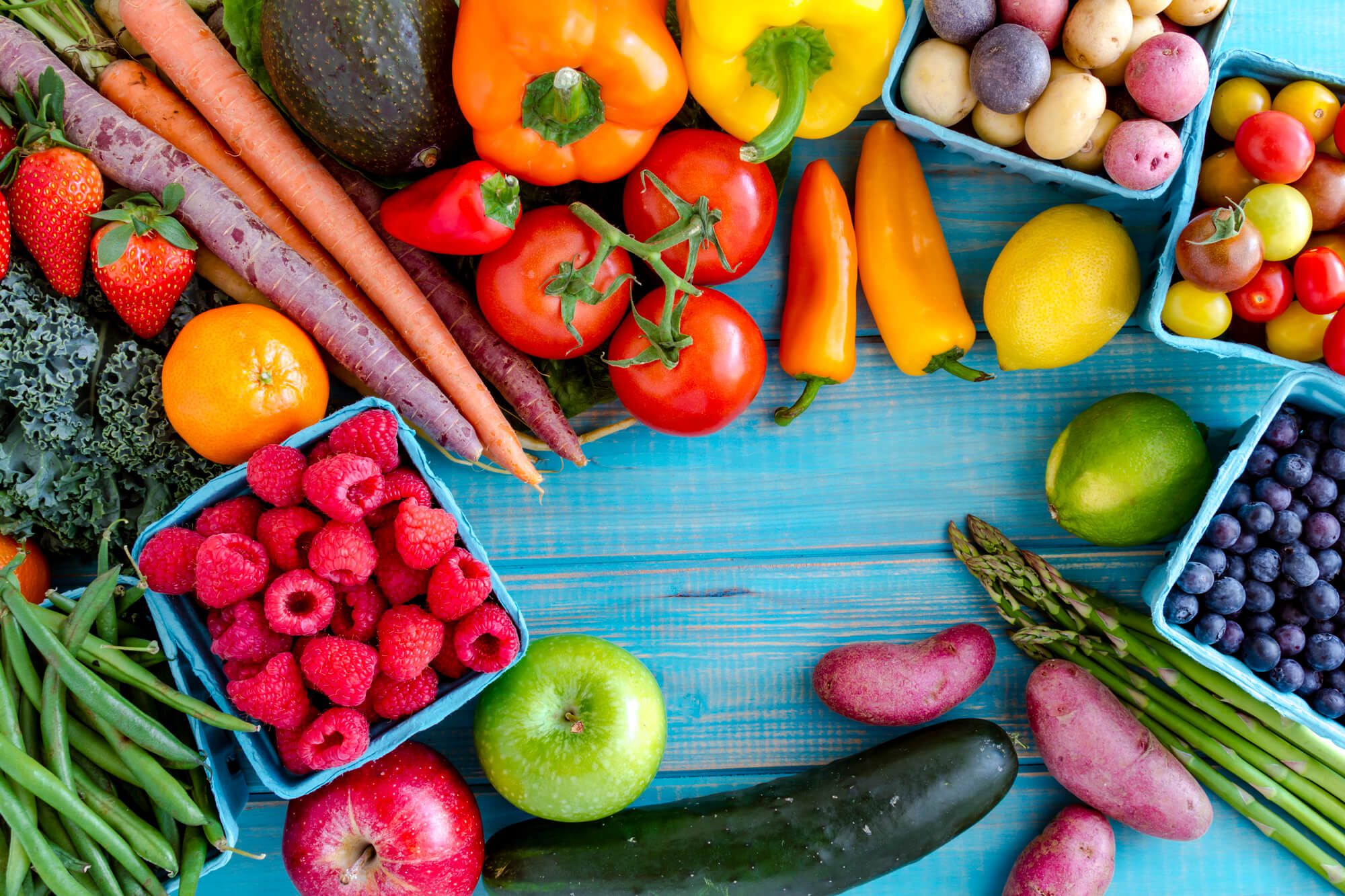
Nutrient thickness plays a necessary duty in the health benefits of plant-based foods, making them a compelling selection for those looking for a well balanced diet plan. Plant-based foods, such as fruits, veggies, vegetables, nuts, and whole grains, are frequently abundant in vital vitamins, minerals, and anti-oxidants while being lower in calories. This high nutrient thickness allows individuals to consume less calories while still fulfilling their dietary needs. Furthermore, these foods are loaded with dietary fiber, advertising digestive health and wellness and aiding in weight monitoring. By integrating nutrient-dense plant-based alternatives, consumers can boost their overall health and wellness, support their body immune systems, and lower the danger of persistent illness. Eventually, the nutrient thickness of plant-based foods highlights their relevance in a health-conscious way of life.
Heart Health Enhancement
Weight Monitoring Assistance
In addition to promoting heart wellness, a plant-based diet can significantly aid in weight management. This dietary approach highlights whole foods such as fruits, vegetables, legumes, nuts, and whole grains, which are typically reduced in calories and higher in fiber contrasted to animal-based items. The high fiber web content aids boost satiety, decreasing general calorie consumption. Plant-based diets are often rich in essential nutrients while low in unhealthy fats, making it much easier to keep a healthy weight. Study suggests that people that embrace a plant-based lifestyle have a tendency to have reduced body mass indexes (BMIs) and experience more effective weight-loss compared to those that take in meat-heavy diet regimens. Accepting plant-based choices is a calculated option for reliable weight monitoring.
Nutritional Value of Plant-Based Ingredients
Plant-based active ingredients are abundant in essential nutrients, providing a varied selection of vitamins, minerals, and anti-oxidants that add to total health. A contrast of protein sources reveals that while animal products are usually deemed premium, numerous plant-based options give appropriate healthy protein and various other useful substances. Comprehending the dietary worth of these active ingredients can help individuals make notified nutritional choices.
Essential Nutrients in Plants
Nutrient-rich active ingredients located in plants offer a varied range of crucial nutrients that contribute considerably to overall wellness. These ingredients are abundant in vitamins A, C, and K, which sustain immune feature, vision, and blood clot, respectively. On top of that, plants give essential minerals such as calcium, magnesium, and potassium, essential for heart wellness, muscle feature, and bone stamina. The presence of fiber in plant-based foods aids digestion and advertises a healthy and balanced intestine microbiome. Anti-oxidants, discovered perfectly in fruits and veggies, aid battle oxidative stress and reduce swelling. Lots of plant foods are low in calories yet high in nutrients, making them a superb selection for those seeking to maintain a healthy weight while ensuring excellent nutrient intake.
Comparing Protein Sources
Protein sources vary significantly in their nutritional profiles, with plant-based active ingredients offering distinct advantages. Unlike pet proteins, which often have saturated fats and click for source cholesterol, plant healthy proteins tend to be reduced in these unhealthy elements. Legumes, nuts, seeds, and entire grains are rich in important amino acids, fiber, vitamins, and minerals. Lentils supply high healthy protein web content along with substantial iron and folate, while quinoa is a complete healthy protein, using all 9 essential amino acids. In addition, plant-based proteins are frequently accompanied by antioxidants and phytochemicals that support general health and wellness. The shift to plant-based healthy protein sources not just boosts nutritional intake but additionally aligns with lasting nutritional practices, reducing environmental effect and advertising lasting health and wellness benefits.
Environmental Impact of Plant-Based Consuming
As understanding of climate change expands, several individuals are checking out sustainable dietary selections that can greatly lessen their environmental impact. Plant-based consuming has actually emerged as a substantial wikipedia reference contributor to reducing greenhouse gas exhausts, which are mostly related to livestock manufacturing. The growing of fruits, grains, legumes, and veggies usually calls for fewer resources, such as water and land, compared to pet farming. Furthermore, plant-based diets can lead to lowered logging, as less land is needed for grazing animals or expanding pet feed. By changing towards plant-based choices, consumers can support biodiversity and advertise healthier ecological communities. Overall, embracing plant-based consuming not only advantages individual health however also represents a vital action towards ecological sustainability and conservation efforts.
Conquering Common Misconceptions
While several individuals identify the advantages of a plant-based diet, numerous misunderstandings typically discourage them from fully welcoming this way of life. A common belief is that plant-based diet regimens do not have enough protein; nonetheless, many plant resources, such as vegetables, nuts, and tofu, offer adequate healthy protein. Furthermore, some think that this diet is pricey, when as a matter of fact, staples like beans, rice, and seasonal veggies can be fairly inexpensive. Another mistaken belief is that plant-based eating is excessively limiting, whereas it actually supplies a varied range of foods and tastes. Finally, several fret that a plant-based diet might cause deficiencies, yet with correct planning, people can acquire all essential nutrients, consisting of minerals and vitamins, while enjoying a variety of scrumptious meals.
Tips for Transitioning to a Plant-Based Lifestyle
Making the shift to a plant-based way of life can be an enriching experience, though it usually requires some advice to navigate the preliminary adjustments. First, people are encouraged to start progressively, incorporating more fruits, veggies, beans, and whole grains into their dishes while lowering meat and dairy usage. Dish preparation is important; preparing a regular food selection can aid ease the change and stop final harmful selections. Exploring new recipes and cooking techniques can additionally boost the experience and maintain excitement about plant-based eating. Furthermore, joining support groups or neighborhoods can offer motivation and share useful ideas. Remaining educated regarding nutrition warranties balanced meals, preventing deficiencies while cultivating a healthy and balanced, gratifying plant-based way of life.
:max_bytes(150000):strip_icc()/45259671-97112006e572444a996dbbacfd4b8bed.jpg)
Delicious Plant-Based Meal Concepts
Discovering delicious plant-based dish concepts can inspire individuals to accept an extra healthy diet regimen. One popular choice is a passionate quinoa salad, including cherry tomatoes, cucumber, and a zesty lemon-tahini dressing. One more fave is a savory lentil stew, packed with carrots, celery, and aromatic natural herbs, ideal for a soothing supper. For morning meal, over night oats made with almond milk, chia seeds, and topped with fresh berries offer a healthy begin to the day. In addition, a vivid vegetable stir-fry with tofu and a variety of vibrant veggies check my blog can be a quick yet satisfying dish. Ultimately, luscious avocado salute on whole-grain bread, sprayed with seeds and spices, provides an easy yet delicious treat. These dishes display the selection and splendor of plant-based consuming.
Often Asked Questions
Can a Plant-Based Diet Regimen Offer Enough Healthy Protein?
The question of whether a plant-based diet regimen can supply sufficient healthy protein prevails. Countless resources, including vegetables, nuts, seeds, and whole grains, can satisfy protein requires efficiently, supporting a well balanced and nutritious diet plan for individuals.
Are Plant-Based Diet Regimens Suitable for Kid?
The suitability of plant-based diet plans for children depends upon careful preparation. Adequate nutrients need to be guaranteed, including vitamins, minerals, and proteins. With proper support, such diets can support healthy and balanced development and advancement in kids.
How Do I Dine Out on a Plant-Based Diet plan?
Eating in restaurants on a plant-based diet regimen entails seeking restaurants with varied food selections, asking for adjustments, and discovering vegan-friendly options. Planning in advance and connecting dietary preferences can improve the eating experience while keeping dietary choices.
What Are Typical Irritants in Plant-Based Foods?
Usual allergens in plant-based foods include soy, gluten, nuts, and seeds - Gluten Free BBQ Sauce. People following a plant-based diet plan must understand these irritants and read labels thoroughly to prevent negative responses and assure secure intake
Can Plant-Based Diets Aid With Weight Reduction?
Research study suggests that embracing a plant-based diet plan may help with weight management as a result of its commonly reduced calorie thickness and greater fiber web content. This mix can improve satiety, assisting individuals manage their caloric intake efficiently. Many people associate plant-based diets mainly with vegetarianism or veganism, these diet regimens can incorporate a large variety of eating patterns that prioritize whole, minimally refined plant foods. Nutrient thickness plays an essential duty in the wellness advantages of plant-based foods, making them a compelling choice for those looking for a well balanced diet plan. Plant-based diets have actually been revealed to significantly enhance heart health, as they often have components that support cardiovascular feature. In addition to advertising heart health and wellness, a plant-based diet can significantly aid in weight monitoring. A typical belief is that plant-based diet regimens lack sufficient healthy protein; however, countless plant resources, such as legumes, nuts, and tofu, give adequate protein.